Featured
Table of Contents
If you're regreting, remember this: your grief mirrors the deepness of your connection. It's not something to "obtain over" but instead to move through, bring your love and memories forward right into a life that, while for life transformed, can still hold significance and happiness.
Despair is an all-natural psychological reaction to loss. Grieving is a process that can aid you come to terms with a loss, such as when a liked one dies. Everybody experiences grief differently. Your experience of grief and exactly how you handle it will depend on different elements. These may include your age, previous experiences with pain and your spiritual or religious views.
Awaiting grief means sensation sad prior to the loss occurs. Instead of grieving for the individual, who is still with you, you might really feel sorrow for the important things you won't get to do with each other in the future. When encountering a considerable loss, such as the death of a liked one, it is natural to feel lots of strong emotions.
People detected with an incurable ailment and those facing the death of an enjoyed one might experience awaiting despair., you might experience many feelings consisting of shock, concern and sadness.
Why Successful Professionals Struggle Psychological Health Concerns
You grieve lost possibilities or experiences you'll miss even small ones, such as the enjoyment of the sunlight or a warm cup of coffee. If someone you love is dealing with an incurable ailment, it is typical to experience anticipatory pain in the months, weeks and days prior to death. You could grieve the very same points your liked one is mourning, or various losses altogether.
You may feel that the individual you understood is already gone, also if they are still physically there. If your liked one has a decrease in physical health or movement, you could really feel anticipatory grief as you shed the chance to share experiences, such as hobbies, vacations or events.

This is especially real if you spend a great deal of time taking care of the person. You might miss activities you utilized to appreciate together and really feel despair concerning the adjustment in your partnership. The nature of your connection may transform as you tackle a carer's function, or become the one being taken care of.
Feelings of despair prior to death are typical it is necessary to identify them, and to discuss them. Experiencing anticipatory grief doesn't always imply that you will regret your loved one any kind of much less after they are gone. Carers of people that are terminally ill might end up being better to their enjoyed one, making their sensations of grief after fatality also much more intense.
Understanding the Role of Ancestral Wounds on Career Choices
Lifeline supplies assistance for individuals experiencing emotional distress. Beyond Blue provides info and assistance for people experiencing mental health difficulties including grief. Griefline Call 1300 845 745 for assistance offered to adults matured 18 years and over. Mensline gives telephone and online therapy and assistance to males in Australia. Cancer cells Council provides details and support to people with cancer cells and their liked ones.
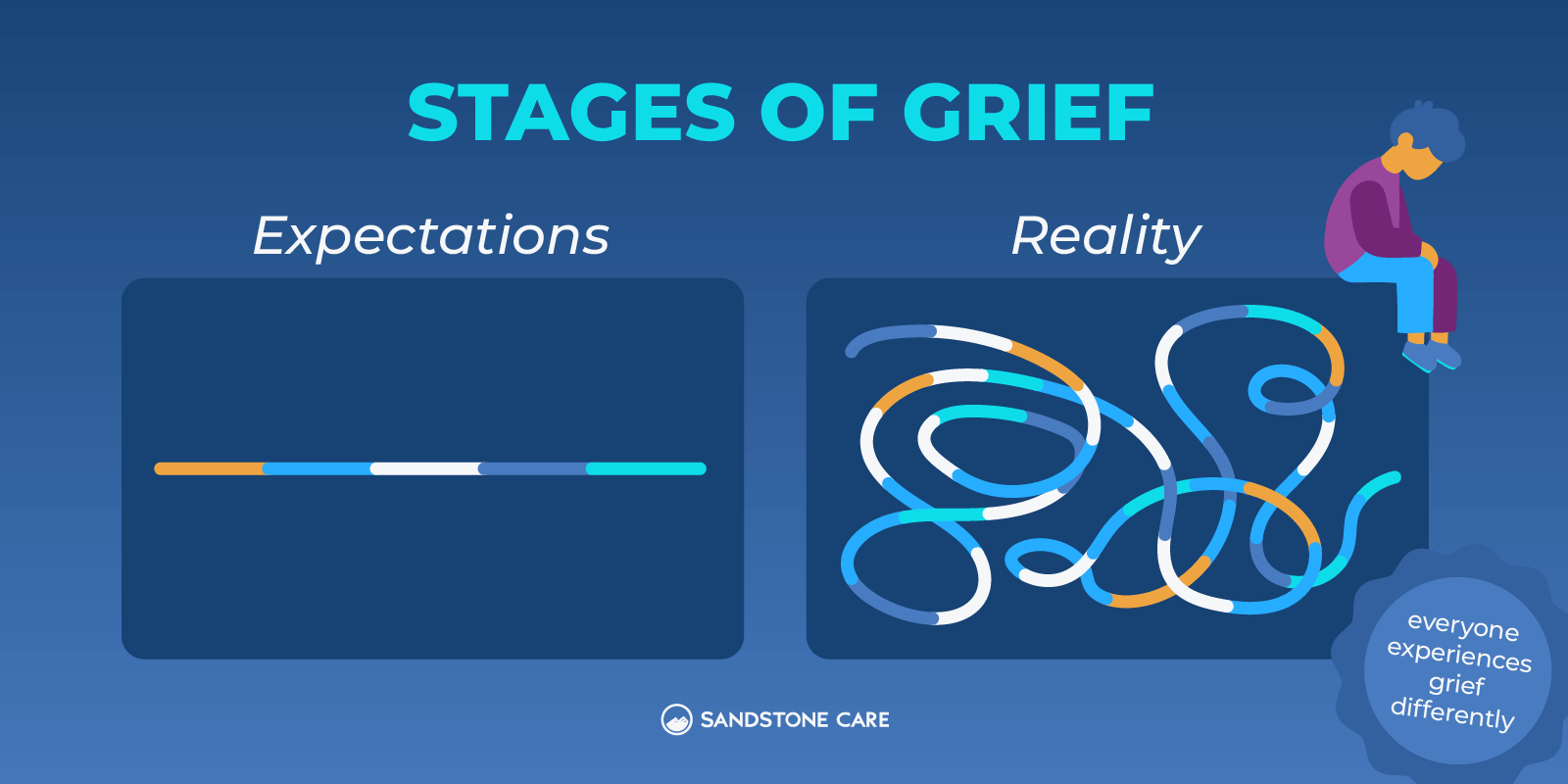
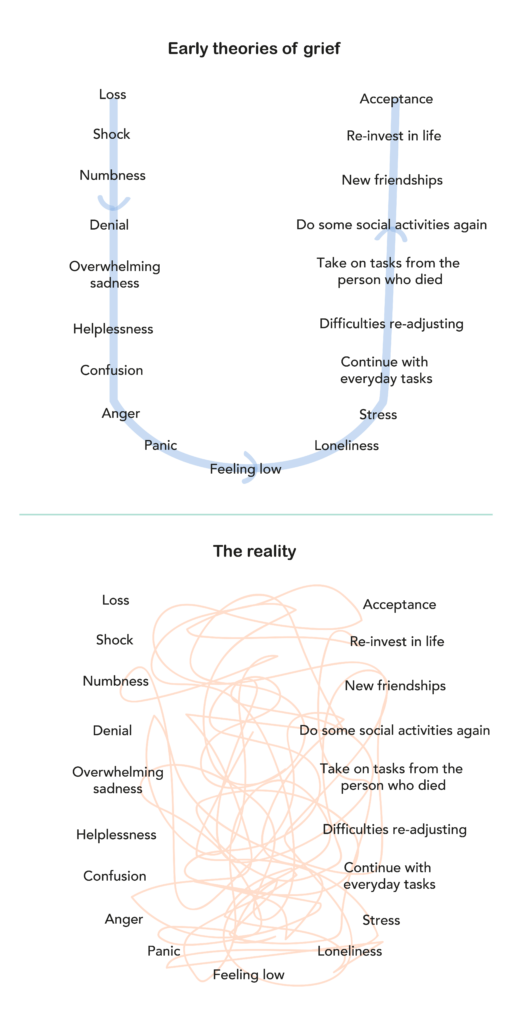
See the CareSearch website for web links to palliative care and end-of-life details in a variety of area languages. Call Carer Entrance on 1800 422 737 for resources to support for Aboriginal and/or Torres Strait Islander carers and neighborhoods. CareSearch provides information on comprehending bereavement, end of life and palliative care demands of the LGBTIQA+ community. Individuals speak about the five stages of grief as: denial temper bargaining anxiety acceptance. In truth, we do not experience sensations of despair individually or in a particular order. We recognize that there are no arrange that every person undergoes. You may experience these things due to the fact that they are all normal feelings of pain.
Some people feel numb after the death of an individual they cared about. If you experience this, it can be since it's simply also difficult to believe that the individual you understand so well is not coming back.
Cultivating Balanced Connections After Complex Trauma Work in San Francisco
Possibly they promise themselves that they will currently always do (or otherwise do) something, believing that it could make the individual who has died come back. Or possibly they think it will certainly quit anybody else passing away or other negative points happening. This is in some cases called 'wonderful reasoning'. People may also find that they keep returning over the past and ask great deals of 'what happens if' concerns, wanting that they can return and alter points to ensure that they can have ended up in different ways.
These sensations can be extremely extreme and painful, and they might reoccur over numerous months or years. But the majority of people find that agonizing sensations similar to this become much less strong in time. If you do not feel this holds true for you, then you must request for assistance.
Her model ended up being commonly accepted as a means to comprehend pain, but in time, despair counsellors and researchers increased upon it, leading to the development of the. This extended model includes extra emotional responses that people might experience: The preliminary response to loss typically brings shock and shock. This stage functions as a safety mechanism, enabling us to absorb the reality of our loss in workable doses.
Sensations of remorse or guilt may arisewondering if you could have done something differently, or sensation sorrow over points left unsaid. Grief can show up as angertoward on your own, others, or even the person who has actually passed.

Latest Posts
Lasting Healing Following Intensive Therapy
Building a Trusting Connection
Physical Manifestations in Successful Individuals: Understanding Through Somatic Therapy