Featured
Table of Contents
Injury affects us in numerous means. In the short-term, it can trigger emotional responses such as terror, complication, shock, isolation, and dissociation, whereas over time, it can impact our actions, frame of mind, and ability to function. Trauma can additionally put the body in a state of tension and creates physical symptoms such as a racing heart beat, headaches, nausea, digestive difficulties, inadequate rest quality, and a tendency to alarm easily.
Zackson clarifies. This short article explores the symptoms, triggers, medical diagnosis, and therapy of unsolved trauma. These are some of the usual signs of unsettled trauma, according to Dr. Zackson: Hypervigilance and lack of ability to let one's guard down Absence of trust and difficulty opening to various other people Dissociation and a consistent feeling of pins and needles Control problems, to overcompensate for sensation powerless throughout the terrible event Low self-confidence and feelings of worthlessness Rage problems and trouble controling emotions High blood stress and cortisol levels Sleep problems, consisting of sleeplessness and headaches Frustrations, queasiness, sweating, or digestive issues Rigidity in the breast or a pit in the tummy Somatic obsession (extreme focus and extreme distress regarding physical signs) Bodily memories that create physical flashbacks of the sensations, smell, taste, pain, and stress of the distressing experience Psychological wellness problems such as anxiousness, clinical depression, material usage problem, or post-traumatic anxiety problem (PTSD) Unsettled trauma is an unseen health problem.
Accessing Tools in New Jersey
Dealing with unresolved injury is necessary, since without treatment and healthy and balanced coping skills, it's likely that it will never be completely dealt with. Listed Below, Dr. Zackson describes the restorative process of dealing with unresolved trauma and the various types of treatment that might be handy. Organized by Amy Morin, LCSW, this episode of The Verywell Mind Podcast, featuring psychiatrist Dr.
Click listed below to listen now.: Apple Podcasts/ Spotify/ Google Podcasts/ Amazon Songs Therapy for unsettled injury begins with creating a safe and caring environment where the survivor feels secure enough to refine the trauma that has been quelched and pushed right into the 'black box'. The medical professional very carefully and securely opens this 'box,' enabling patients to familiarize their experiences.
ADHD Testing and Comprehensive Diagnosis

There is no details amount of time for healing from unresolved injury. The excellent information is that healing from trauma is not an endpoint; survivors can far more than just healing. They can reflect on their traumatic experience and find out that they are more powerful than they ever imagined.
Find out which choice is the finest for you. Verywell Mind utilizes just high-grade sources, consisting of peer-reviewed researches, to support the facts within our short articles.
Health And Wellness Aff (Millwood). 2019; 38( 10 ):1662 -1669. 2019; 49( 6 ):1041 -1046.
Processing Bullying and Dismissal Trauma
2016; 49:79 -91. doi:10.1016/ j.cpr. 2016.09.001 Lancel M, van Marle HJF, Van Veen MM, van Schagen AM. Interrupted rest in PTSD: Believing past headaches. Front Psychiatry. 2021; 12:767760. doi:10.3389/ fpsyt. 2021.767760 Centers for Disease Control and Prevention. Taking treatment of your emotional wellness. Cleveland Clinic. Somatic symptom problem in adults. Gentsch A, Kuehn E. Medical manifestations of body memories: The impact of past bodily experiences on psychological health and wellness.
Behaviorally, people might withdraw from social activities, prevent particular areas or people, and reveal decreased inspiration or concentration. Physical signs and symptoms are additionally widespread, such as sleep disturbancesincluding sleeping disorders or nightmaresmuscle stress, migraines, or stomach concerns. These physical feedbacks become part of the body's stress response to trauma. Cognitively, trauma survivors might establish adverse beliefs concerning themselves or the world, such as really feeling not worthy or harmful.
Mood adjustments can vary from rage and concern to embarassment and unhappiness. All these signs are signs that injury has actually influenced the individual's mental and emotional well-being. If these symptoms persist or increase gradually, they may establish into conditions like Trauma (PTSD). Recognizing these signs early and looking for expert assistance can promote effective treatment and support healing.
Adjusting Standard PTSD Techniques for Sensory-Sensitive Clients
For kids and teens, trauma-focused CBT (TF-CBT) is specially adapted to refine distressing memories in a risk-free and structured way, frequently including member of the family. An additional very reliable method is Extended Direct exposure therapy. This strategy encourages steady battle of trauma memories and situations that remember the traumatic occasion. The objective is to lower concern reactions and evasion behaviors that disrupt day-to-day live.
Resolving trauma's effect on emotional, cognitive, and physical health and wellness is crucial. Therapy intends to restore a sense of safety and security and trustboth in oneself and in connections with othersby promoting durability and personal development.
As specialists, we usually listen to the question "What specifically is a trauma response?" from our clients. It's a great concern, and one worth exploring deeply. While several of us make use of the words "injury" and "tension" as if they mean the exact same thing in day-to-day discussion, there's in fact far more to understand regarding how trauma uniquely affects our mental health and wellness.
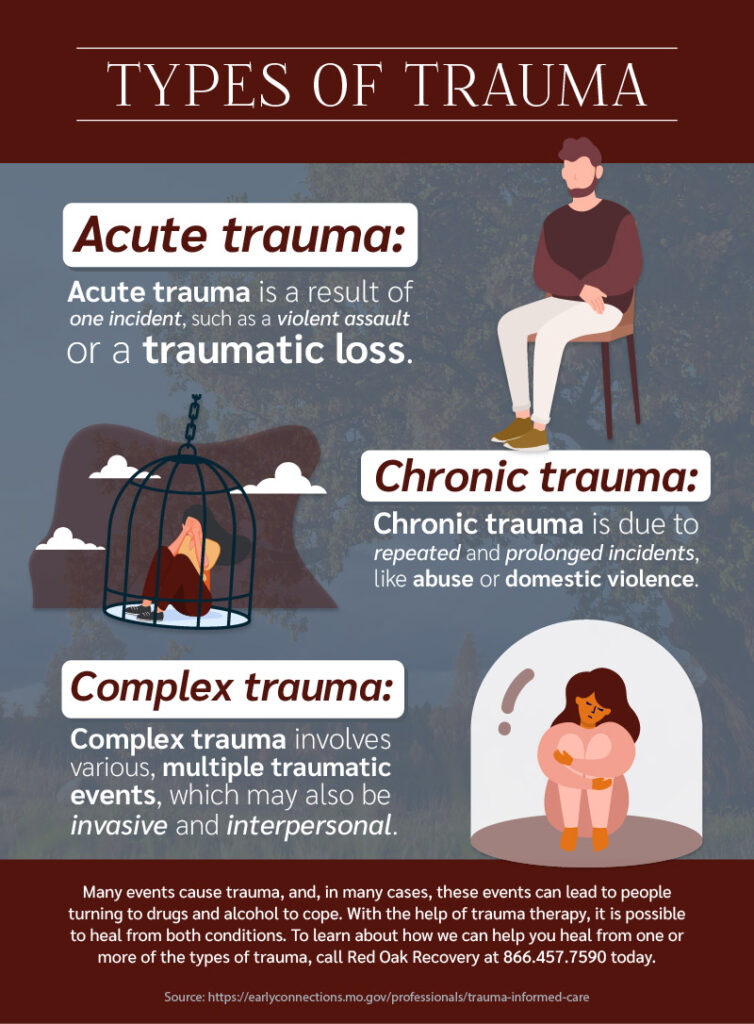
Think about trauma feedbacks as your body and mind's method of protecting you when something happens that really feels too big to manage. When we experience something frustrating or deeply upsetting, our mind kicks into survival mode. You could have listened to of "fight or trip" yet there's also "freeze" and "fawn" (people-pleasing). These aren't simply abstract ideas; they're extremely real reactions that can appear today or in some cases years later, relying on what you've been through.

Latest Posts
Why Emotional Trauma Influences Your Mind
How Roots influences Effective Therapy
Career Challenges within International Professionals